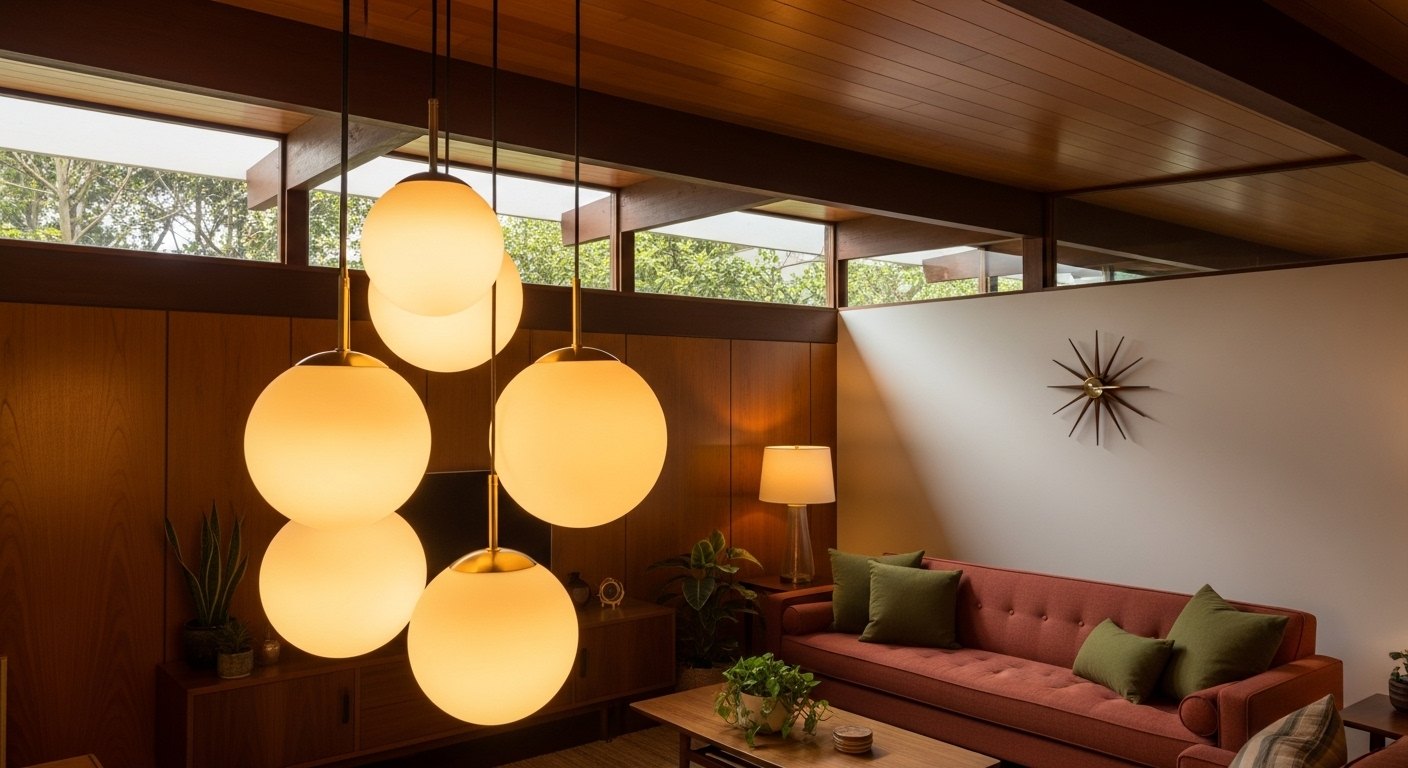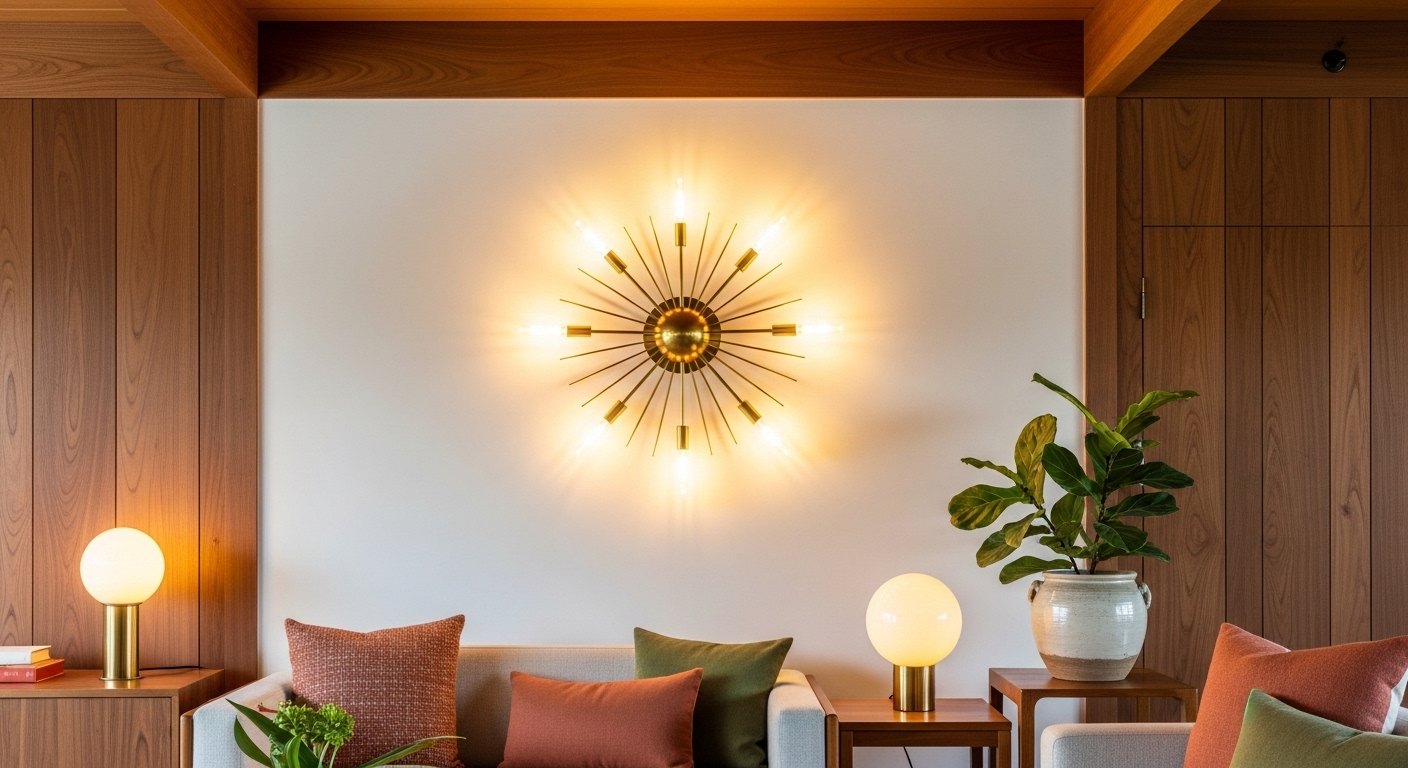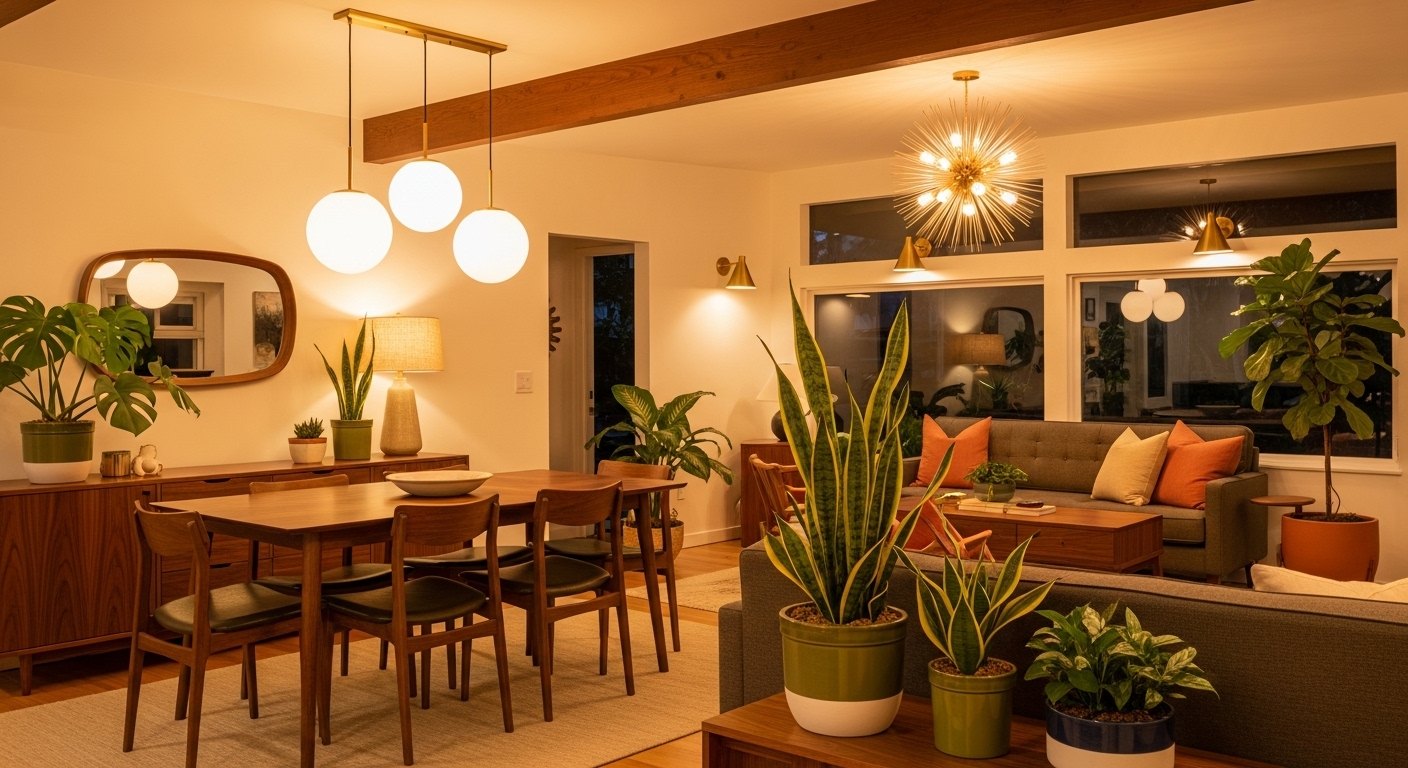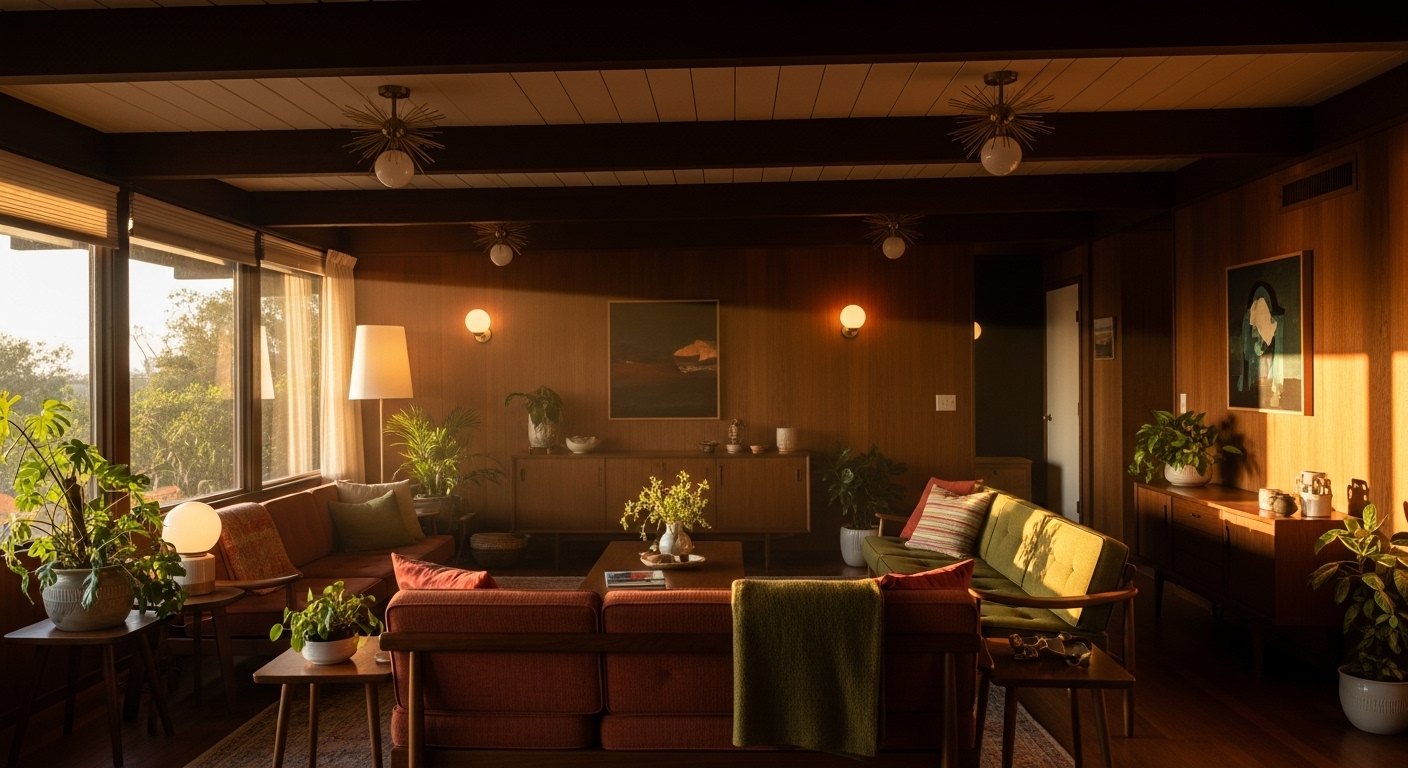
The cheapest luxury you can add to a room costs about twenty dollars and twenty minutes: a dimmer. A dimmer runs about $20, and a plug-in smart dimmer $40 to $60. I've put one on nearly every light in our canyon house, and in a mid-century home built around warm, golden light, the dimmer is the single device that lets you recreate the glow of late afternoon any time of day.
One Fixture, Many Moods
A pendant at full brightness is for tasks. The same pendant at thirty percent is for a slow dinner or a record and a glass of wine. Without a dimmer you get one setting; with one you get the whole emotional range of a room from a single fixture. For the price of a nice bulb, it's the best return on investment in home lighting.
Dimming Makes Warm Light Warmer
Here's the lovely part: warm bulbs shift toward a more amber, golden tone as they dim, mimicking candlelight and late-afternoon sun. As the canyon goes dark outside, I bring the lights down and the whole house slides into that golden-hour register. The warm, relaxing color the eye loves most. A dimmer doesn't just lower the light; it warms it.
The Golden-Hour Goal
Mid-century California homes were designed around the long, low, golden light of late afternoon. That's what those clerestory windows and glass walls were built to catch. A dimmer plus warm bulbs lets you keep that golden quality going after the sun is gone, which is the whole point of lighting a mid-century home well. You're chasing five o'clock all evening.
The Rooms That Benefit Most
If you dim selectively, start with the dining room, then the living room and bedroom, then the kitchen. A bright overhead in the dining room is for homework; a dimmed one is for lingering. A low table lamp glowing in the living room at night does something no bright ceiling fixture can. The evening rooms are where a dimmer changes daily life most.
Bulbs and Switches
Use bulbs clearly labeled dimmable and a dimmer rated for LED loads, or you'll get flicker and buzz. Match those two things and the dimming is smooth all the way down to a low, beautiful glow. Honestly, I buy dimmable warm bulbs by default now, a fixture that can go from bright to candle-low is worth every cent.
Easy to Add
Swapping a standard switch for a dimmer is a manageable DIY job if you're comfortable with basic electrical safety, kill the breaker, confirm the power is off, note the wiring, connect the dimmer. For three-way setups or any doubt, hire an electrician; it's inexpensive and never worth the risk. Either way, it's the highest-impact small upgrade in a mid-century home.
What Dimmers Cost
A dimmer is one of the best-value upgrades in a home, roughly the price of a nice bulb, plus a few minutes if you're comfortable with basic wiring. For that, a single fixture gains a whole range of moods. Even paying an electrician for a few dimmers is cheap relative to how much they change daily life.
Common Dimmer Mistakes
The frequent issues: pairing a non-dimmable LED with a dimmer and getting flicker, using an old dimmer rated for incandescent loads with modern LEDs. And putting dimmers only in show rooms while leaving the bedroom and kitchen on harsh single settings. Match dimmable bulbs to LED-rated dimmers, and prioritize the rooms you relax in.
Where to Start
If you dim a few rooms, start with the dining room, then the living room and bedroom, then the kitchen. The evening rooms benefit most, because that's when the warm low glow matters. A lamp and a dimmed overhead together are what turn a room golden at night.
Shop this post: pendant lights and living room table lamps