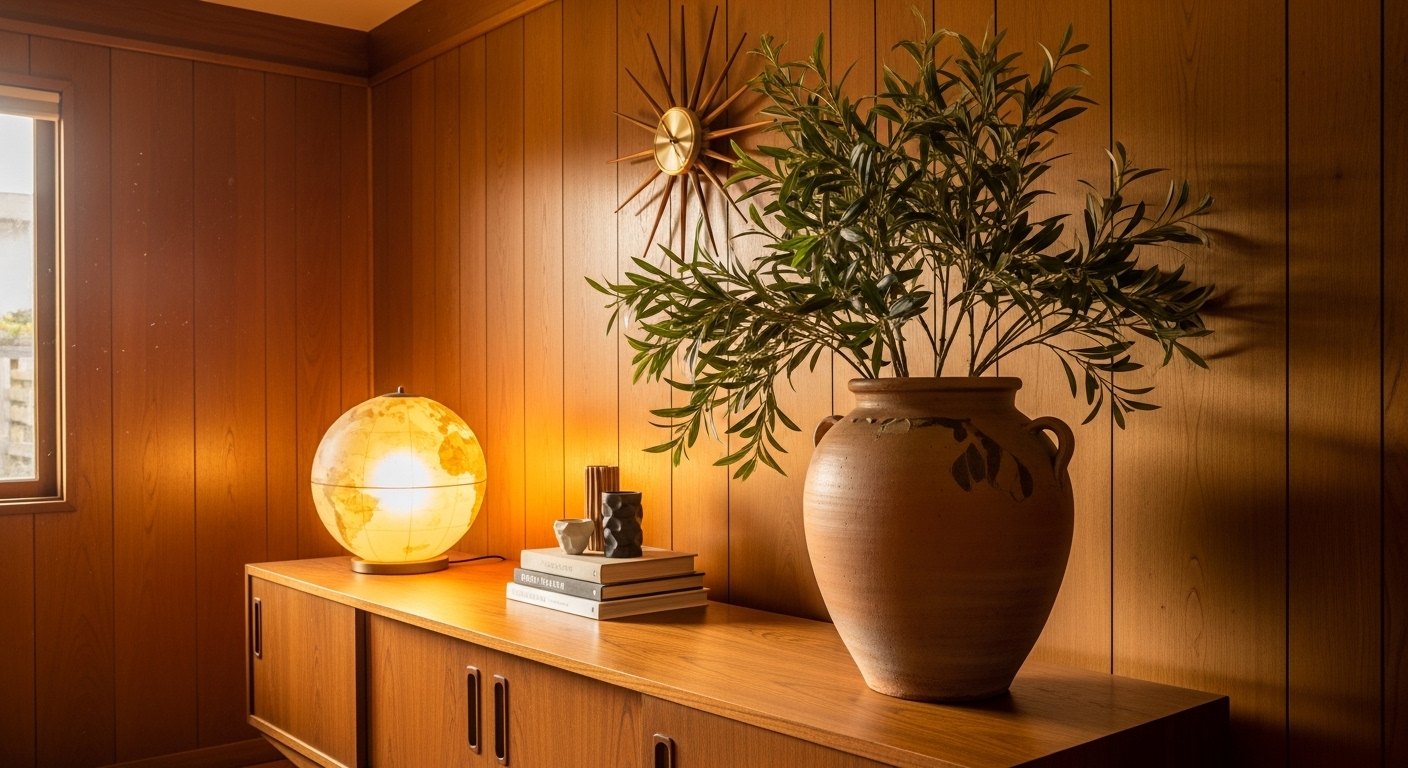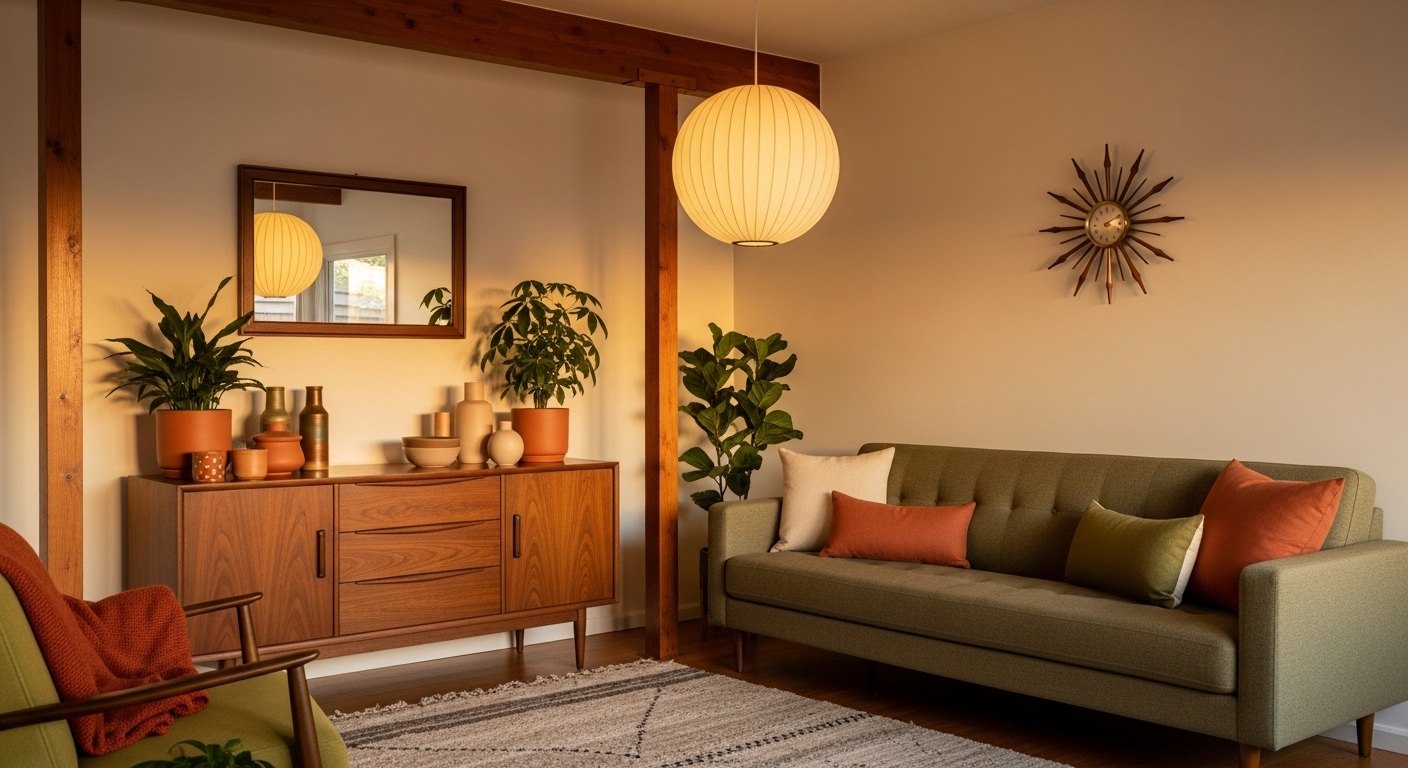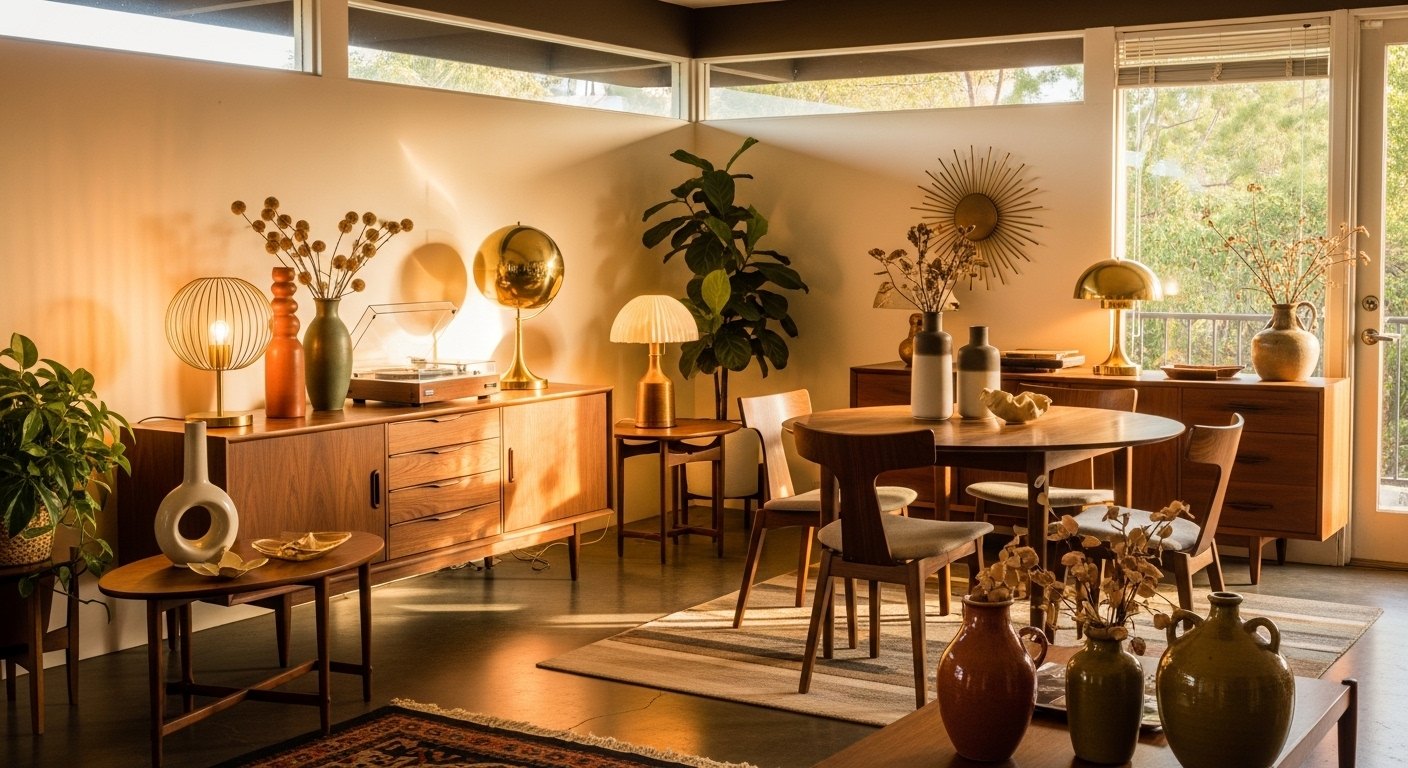
Los Angeles is a goldmine for mid-century finds if you know how to look. I've found $30 teak side tables at the Rose Bowl Flea that sell for $300 in shops. The city is full of original post-war homes being cleared out, and the right estate sale can furnish a room for a fraction of retail. Thrifting is also how a mid-century home gets its soul, the patina and character you can't buy new. Here's how I source furniture and lighting for our canyon house.
Where to Look
Estate sales in mid-century neighborhoods are my favorite source. They often have the best pieces at the fairest prices, sold by families clearing original homes. Beyond that, LA has dedicated vintage and consignment shops (chosen and restored, at a premium), flea markets like the Rose Bowl, and a steady stream of marketplace listings. Patience and frequent looking beat any single source.
What to Look For
Hunt for solid construction, timeless clean-lined forms, real brass and quality hardware, and lighting with sound or easily-replaced wiring. Check drawers, legs, and joints for stability, and look under the finish for solid wood where it matters. The best finds are well-built pieces in classic shapes that need only a clean or a light restoration to look intentional.
Lighting Is the Best Value
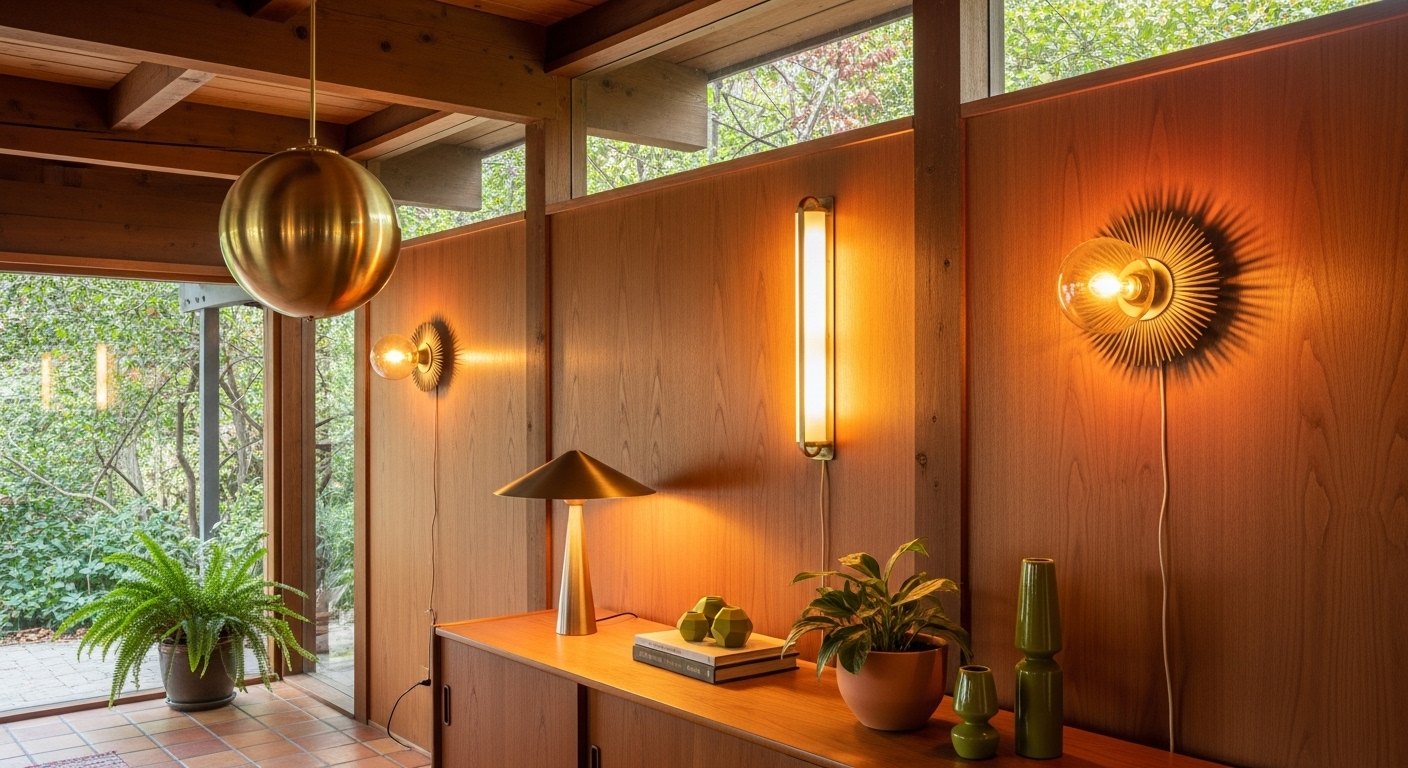
Vintage lighting is some of the best thrift value out there. A great brass lamp base, a retro glass wall lamp, a sculptural pendant. These bring instant period character. The retro wall lamp and table lamp collections are a good reference for the shapes to hunt for, and if a genuine vintage piece is too far gone, a vintage-inspired version gives the look with safe wiring.
Check the Wiring
Secondhand lamps and fixtures need a careful look before you trust them. Check for frayed or cracked cords, intact plugs, and sockets that aren't scorched. Rewiring is cheap and easy if you're handy or through a shop, and a great old base is worth it. Walk away from anything that flickers, buzzes, or smells of burning, no find is worth a fire.
Is It Worth Restoring?
A solid wood piece with good bones is often worth refinishing, and a beautiful lamp base is worth rewiring. Restoration pays off when the underlying construction is sound and the form is timeless. Skip anything with structural damage, heavy water or pest damage, or repairs that would cost more than the piece is worth. Sound bones, light restoration. That's the sweet spot.
Don't Overpay for a Label
The word 'mid-century' inflates prices on plenty of common pieces. Learn the difference between a genuine designer item and a generic period one, set a budget before you go, and don't let a label talk you into overpaying. Estate sales and marketplace listings are usually fairer than hand-picked dealers, and walking away nearly always turns up something better at a fairer price.
Buy Slowly
The best mid-century homes are gathered over time, so resist filling a room in one weekend. Carry your palette and your room measurements in your head, go often, buy rarely, and let the right pieces find you. That patience is exactly what gives a thrifted mid-century home its collected, soulful, can't-buy-it-new character.
Where to Look in LA
Estate sales in mid-century neighborhoods are the best source, original homes being cleared, at fair prices. Beyond that: vintage and consignment shops (chosen, pricier), flea markets like the Rose Bowl, and marketplace listings. Patience and frequent looking beat any single source. Lighting is the best value, hunt for brass bases, globes, and retro wall lamps.
Spotting Quality
Look for solid wood, sturdy joinery, real brass, timeless clean-lined forms, and lighting with sound or fixable wiring. Check drawers, legs, and joints for stability. The best finds are well-built pieces in classic shapes that need only cleaning or a light restoration to look intentional.
When to Restore
A solid wood piece with good bones is often worth refinishing, and a great lamp base is worth rewiring. Restore when the construction is sound and the form timeless; skip structural damage, heavy water or pest damage, or repairs costing more than the piece is worth. Sound bones, light restoration. That's the sweet spot.
Shop this post: retro wall lamps and living room table lamps